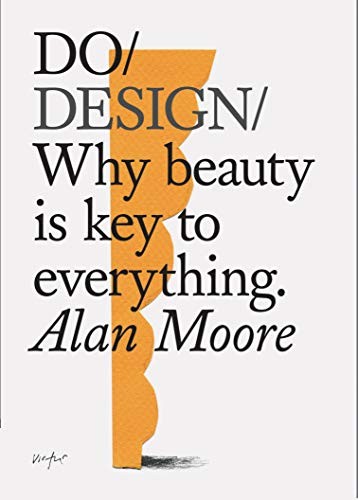
Highlights
- Beauty is an outcome of care, not decoration — Moore's core argument is that beauty emerges from how deliberately something is made, not from styling applied at the end. That is structure-beats-magic in design language: quality comes from what you build into the process, never from a final coat of magic.
- Craft means embedding your standards in the thing itself — the craftsman's judgment lives inside the artifact, so it holds up long after the maker walks away. This is the MDDE move: encode the standards upstream in the model and let generation carry them everywhere, instead of hand-inspecting every output.
- Ask why you make before asking what you make — Moore insists purpose shapes form, and things made without a clear "why" become clutter regardless of finish. The parallel is "the model outlives the tool": purpose and structure are the durable layer, whatever you build with churns underneath.
- Slowness is a feature of good work — the book pushes back on speed-as-virtue: considered making produces things people keep, rushed making produces things people replace. This is the DELIBERATE half of Jaco's content principle — each piece consciously placed beats volume every time.
- Details are not finishing touches, they are the system — Moore treats small decisions (materials, proportions, tone) as where quality is actually won or lost. That is rules as the forgotten third pillar: the unglamorous fine-grained constraints, not the grand vision, determine whether the whole thing holds.
- Make things that give more than they take — Moore connects beauty to regenerative business: work that enriches its context keeps compounding. It is the same logic as building capabilities over platforms — atomic, well-made units keep paying back long after the channel that carried them is gone.
Highlights on this page are generated with the help of AI.