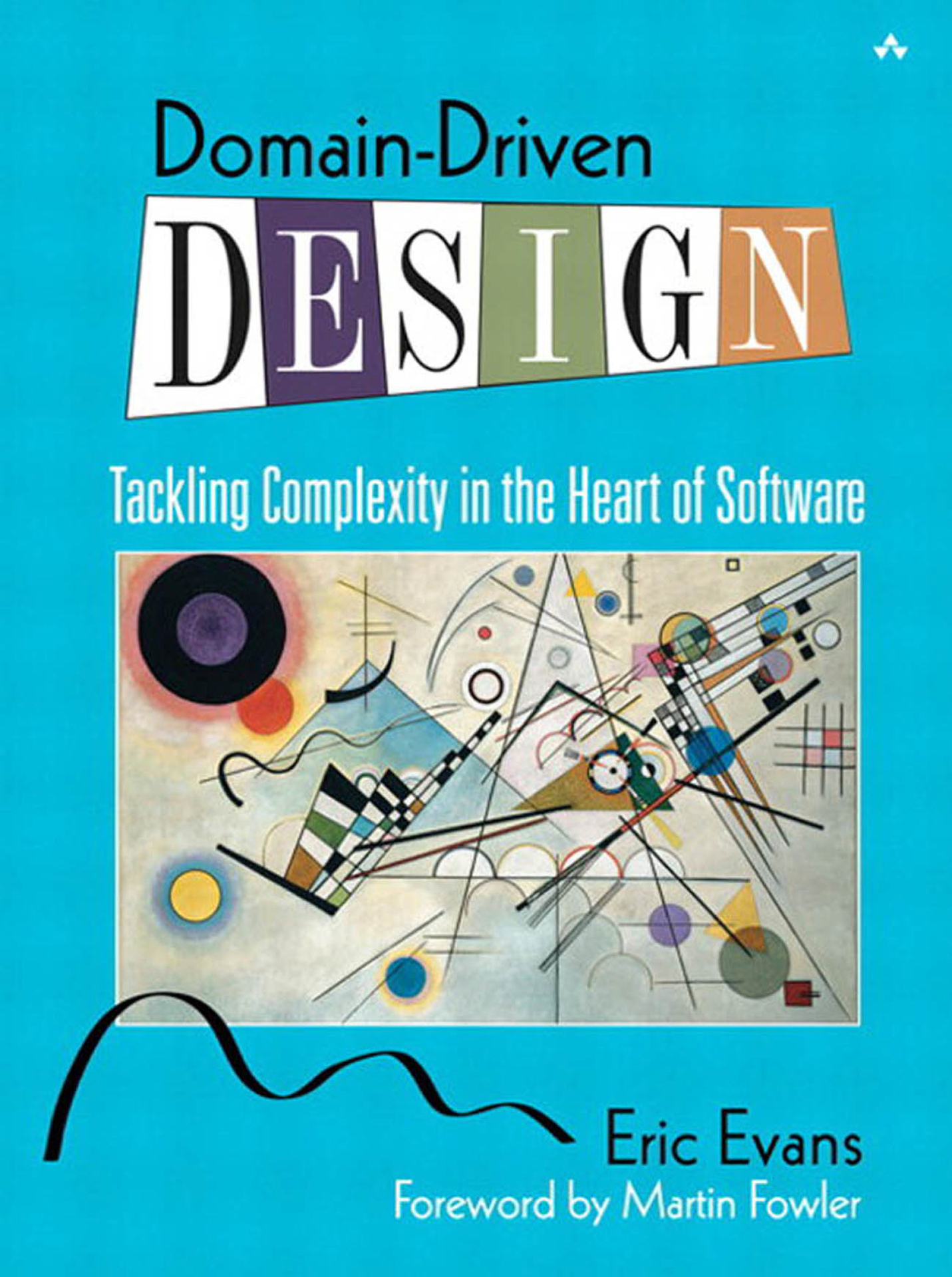
Highlights
- Model-driven design, from the software side — Evans demands that the code structurally mirror the domain model, so model changes and code changes are the same change; MDDE makes the identical demand for data platforms, with generation closing the gap Evans asks developers to close by discipline.
- Ubiquitous language is a rules layer for conversation — one shared vocabulary, used identically in speech, model, and code, eliminates the silent translation errors between business and engineering; what a modeled warehouse gives analysts and what a concept library gives a content system.
- Bounded contexts legitimize multiple models — instead of one futile enterprise-wide model, Evans draws explicit boundaries within which a model is consistent; the missing theory under data mesh domains and under splitting a knowledge vault into domains with local conventions.
- Distillation: find the core domain — most of any system is generic supporting machinery, and design effort should concentrate on the differentiating core; the same economics that say generate the pattern-dense 80% and hand-craft only the genuinely specific.
- Entities vs value objects is identity thinking — separating things with continuity of identity from things that are just values is the same discipline as separating business keys (hubs) from descriptive context (satellites) in Data Vault.
- A model you can't refactor is already dead — Evans ties model quality to continuous refactoring toward deeper insight; models are living assets that must stay cheap to change, which is precisely what generation from the model buys.
Highlights on this page are generated with the help of AI.