Highlights
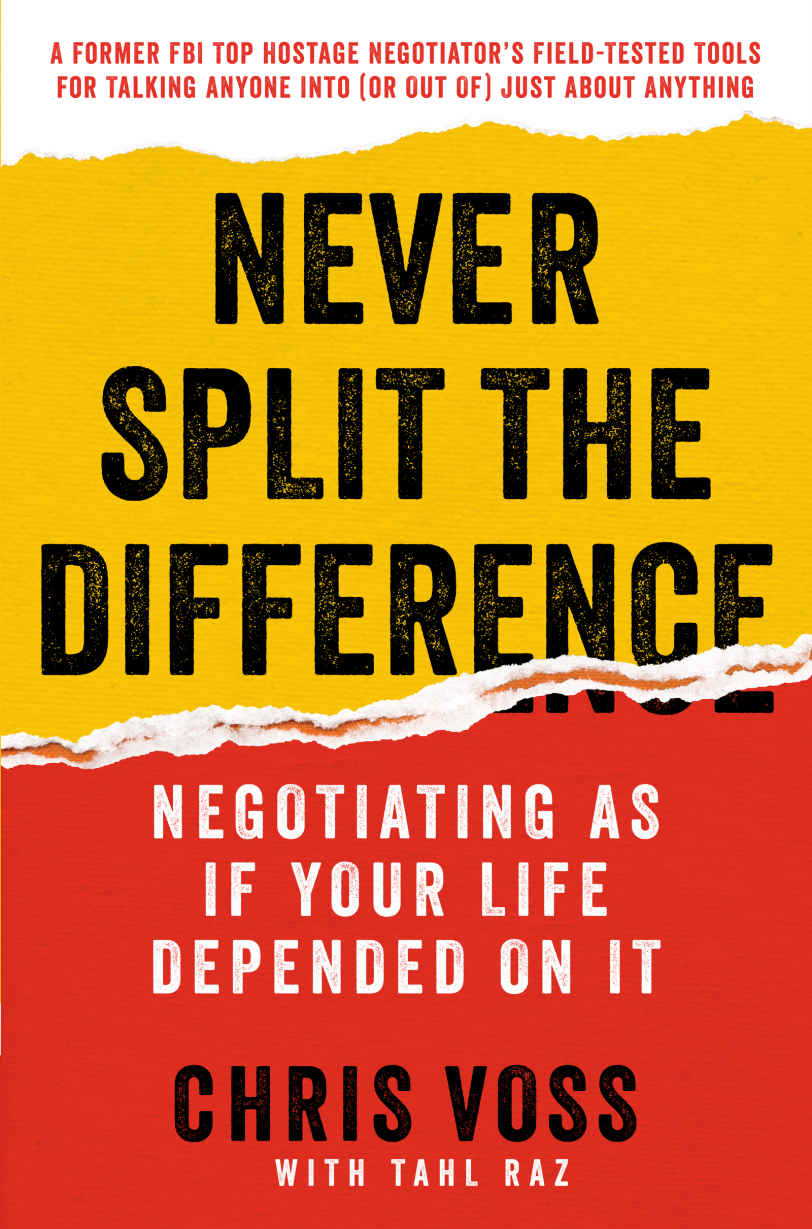
- Negotiation is a learnable system of techniques, not charisma — Voss turns hostage-negotiation practice into named, repeatable moves (mirroring, labeling, calibrated questions); taking a skill assumed to be innate talent and giving it structure is the structure-beats-magic pattern applied to conversation.
- Labeling: name the emotion to defuse it — explicitly verbalizing what the other side feels turns an invisible force into a handled object; the same principle that drives capture-types and typed relations in a vault — once something has a name, it can be worked with.
- Calibrated questions hand the problem to the other side — open "how" and "what" questions steer without confrontation; they are, in effect, well-engineered prompts for humans, and the craft transfers surprisingly directly to prompting AI systems.
- "No" is the start of the negotiation, not the end — Voss inverts the yes-chasing instinct, arguing "no" makes people feel safe enough to engage; useful in consulting positioning, where letting a prospect decline cleanly builds more trust than pushing agreement.
- Tactical empathy is information gathering — understanding the other side's worldview is treated as disciplined intelligence work, not niceness; the negotiator's version of reading the source system before designing the integration.
- The accusation audit pre-empts objections by listing them first — voicing every negative the other side might think drains their charge; structurally identical to the adversarial-review habit of stating your argument's weaknesses before your critics do.
- Black swans: the deal hinges on unknown unknowns — every negotiation contains hidden pieces of information that change everything, and the process is designed to surface them; a rules-and-data person recognizes this as the case for exploration before commitment.
Highlights on this page are generated with the help of AI.