What it is
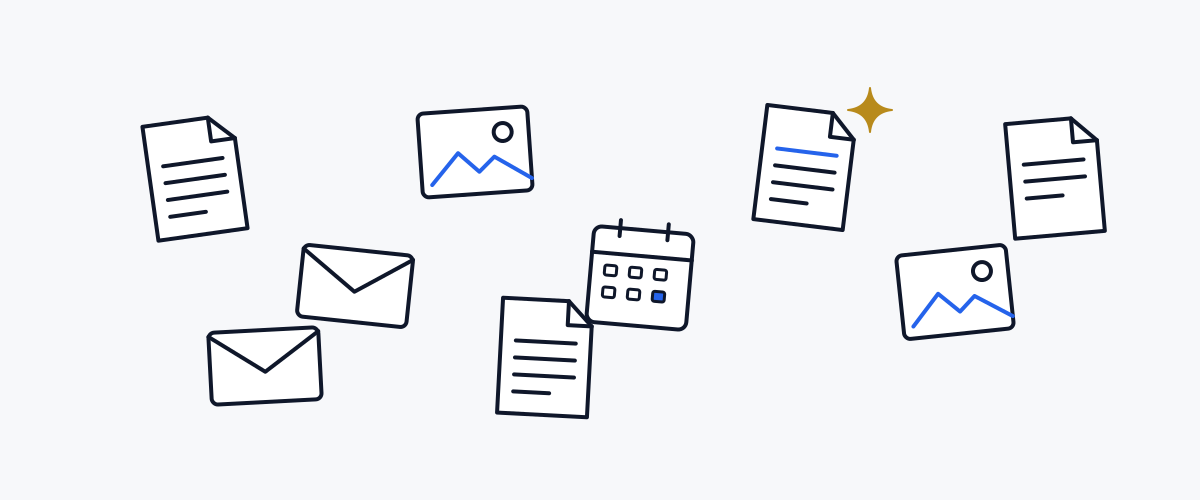
The source layer holds the records as they arrive: a photo with its EXIF data, a PDF from the bank, an email thread, a calendar entry, a CSV from a wearable. Nothing is cleaned or merged yet. The only job of this layer is to keep each record intact and to know where it came from.
Why it matters
Most of what I go looking for already exists somewhere in my own files. It sits in a camera roll, a mailbox or an old drive, unread. A photo library knows where you were on any given day; a mailbox knows every agreement you signed. The problem is rarely missing data. It is data that nothing can query.
A separate raw layer makes every later step safe. If a cleaning rule turns out to be wrong, you fix the rule and rebuild. The original is still there.
What it looks like
At home. My own source layer is a set of plain folders: photos with their sidecar files, scans with a markdown note beside each PDF, exports from the services I use. Over 150,000 photos and a decade of trips sit there as files, not inside one app.
At work. The same layer is the landing zone of a data platform: source systems deliver their records as they are, with a timestamp and a source label, before anyone transforms them.
The usual mistake
The common first move is to pick a tool, a note app or a platform, and then pour your history into it. Start with an inventory of what you already have, and keep it in a form you own: files on your own disk, with a known place for each source.
Where it stops
Keeping everything raw costs disk space and discipline: a source you never integrate is just a bigger pile. Keep a source when you know which question it will answer.