What it is
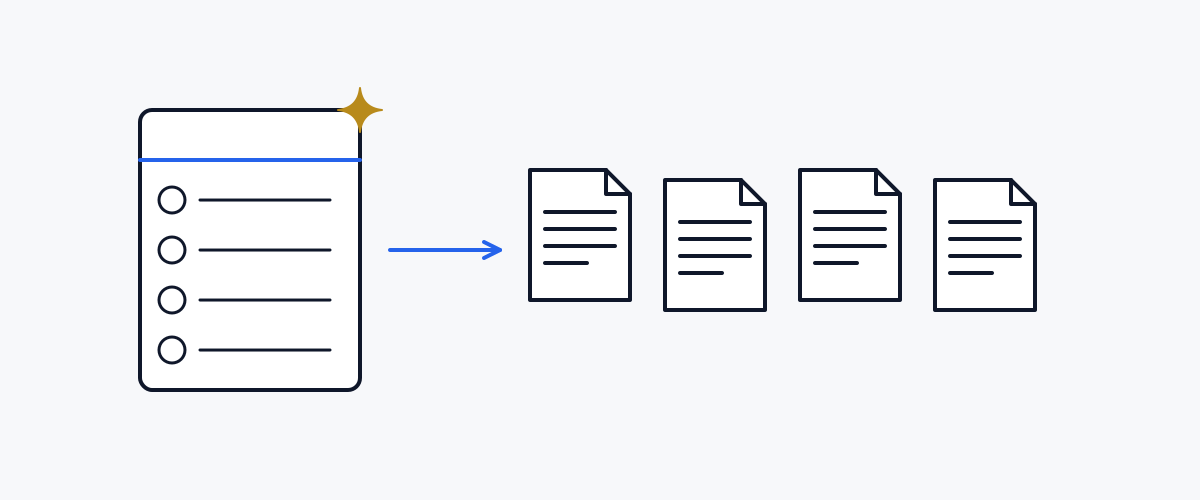
A skill is know-how in a file: what the job is, which inputs it needs, which steps to follow and how to check the result. For a person it is a runbook. For an AI assistant it is an instruction set it loads when the job comes up. Facts live in files; behaviour lives in skills.
Why it matters
A lot of my work used to get done well once and then forgotten. The next time, you rebuild the approach from memory, and the quality depends on the day. A skill captures the approach the first time it works, so the second time is faster and the tenth time is still right.
Skills build on each other. Each one you write makes the next task cheaper, and they can call each other: a skill that imports data can be used by a skill that writes a weekly overview.
What it looks like
At home. I have skills for importing a chat export and for writing and publishing an article. Both started as tasks I did by hand first.
At work. The same idea is a runbook library and a set of reusable pipelines: documented, tested procedures that new team members can run without asking a colleague every time.
The usual mistake
A skill written before you have done the job is guesswork. A skill is a record of what worked. Do the task by hand, notice what you had to decide, and then write those decisions down.
Where it stops
A skill fixes yesterday's way of working. When the job changes, an outdated skill does the wrong thing confidently, so review the ones you use most.