What it is
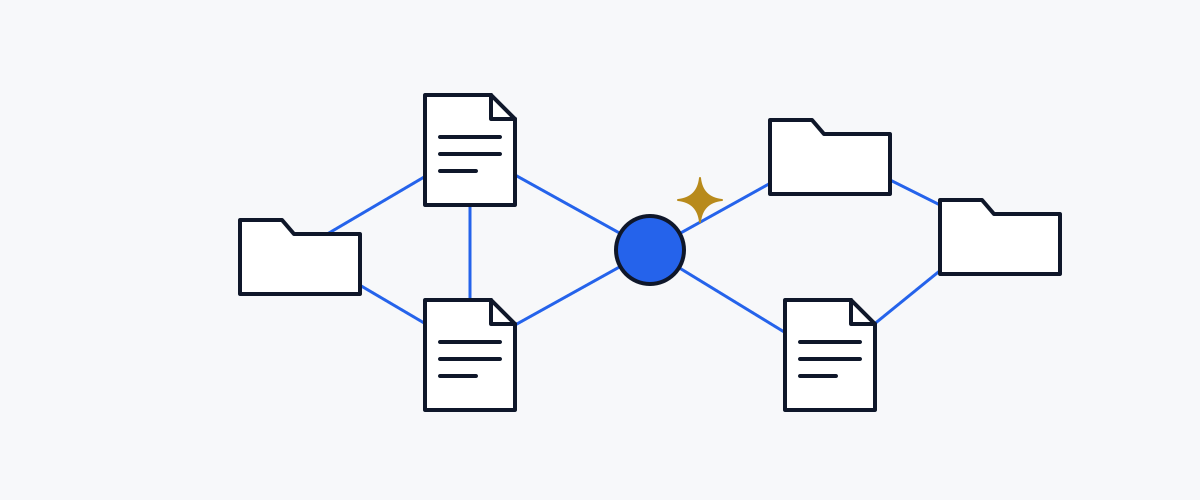
Structure is the shape of your knowledge: what a unit is, where it lives, what it links to and what it is called. A day folder for everything that happened on a day. A folder per concept, with a note that says what it means. Links that say how two things relate.
Why it matters
A prompt is gone after one conversation. A meeting is gone after one hour. Structure stays, and every tool that reads it benefits: search, a dashboard, a colleague, an AI assistant. When the context sits in the structure, you stop re-explaining and start building on what is already there.
What it looks like
At home. My vault uses the calendar as its spine: every dated thing lives in its day folder, and topics link to those days. Each domain has the same four levels, so the AI and I know where to look.
At work. The same idea is a data model and a business glossary: agreed entities, agreed names and agreed relationships, so a report built by one team means the same as a report built by another.
The usual mistake
Search is often used to make up for missing structure. It finds words; it does not know which version is current or how two notes relate. A map of your knowledge does.
Where it stops
Structure has a cost: every convention has to be kept, by you or by a script. Add structure where you look things up often, and leave the rest loose.